
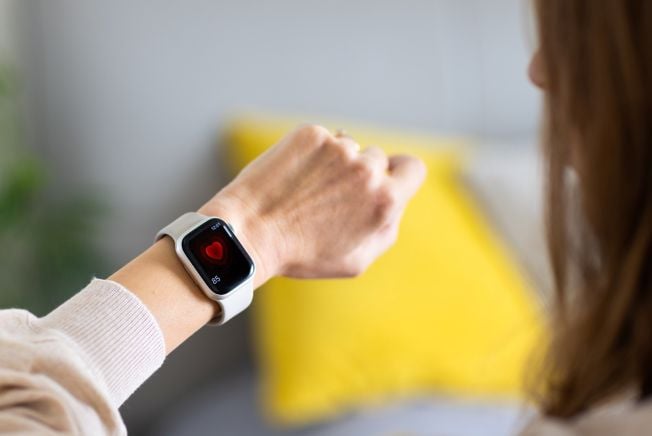
Heart Disease
The growing role of wearable tech in heart health
From spotting irregular rhythms to tracking everyday trends, smart devices are giving people new ways to understand their cardiovascular health
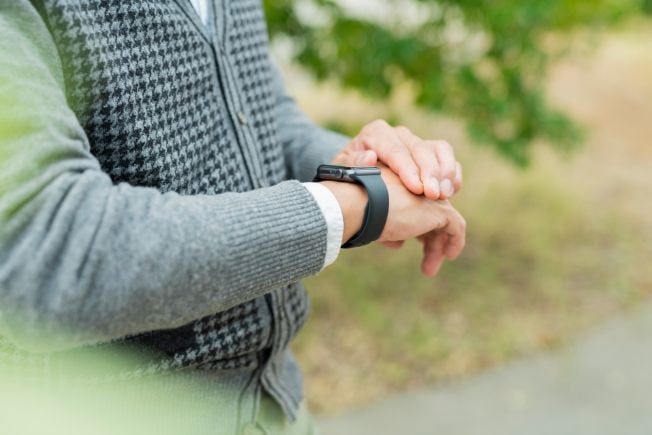
Smartwatches and fitness trackers have become everyday accessories. What began as a sophisticated way to count steps has evolved into a tool that can monitor heart rate, record an electrocardiogram (ECG), track sleep, and alert users to possible rhythm changes. These features can help people notice patterns and give them data to use when speaking with a doctor.
Heart disease is the leading cause of death in the United States and accounts for about one in every five deaths. Millions of Americans also live with coronary artery disease, heart failure, and arrhythmias. Because some cardiovascular conditions develop gradually or cause few obvious symptoms, recognizing a potential concern earlier may lead to more timely medical evaluation.
How wearables monitor the heart
Heart conditions have traditionally been assessed during office visits or with tests prescribed by a clinician. Those methods remain essential, but they capture information during a limited period. An irregular rhythm that comes and goes may not appear during a scheduled appointment. Wearables offer a different view by collecting information throughout normal routines, during daily life. The devices use optical sensors that shine light into the skin and analyze changes in blood flow to estimate pulse rate.
It is important to note that these devices do not provide the same information as a clinical 12-lead ECG, and they cannot diagnose heart disease. Their value is in identifying trends or unusual readings that may deserve attention. A record captured while symptoms are occurring may also give a clinician useful context about what was experienced and when.
Helping detect irregular heart rhythms
One promising use is screening for arrhythmias, or abnormal heart rhythms. Atrial fibrillation, commonly called AFib, is a frequent arrhythmia in which the heart's upper chambers beat irregularly. AFib can increase the risk of blood clots, stroke, heart failure, and complications.
AFib can be difficult to recognize because experiences vary. Some people notice palpitations, shortness of breath, dizziness, weakness, or fatigue. Others have no symptoms, and episodes may occur only on occasion. A wearable may analyze pulse patterns and notify the user when it detects repeated irregularity that could be consistent with AFib.
An alert is not a diagnosis. It is a prompt to contact a healthcare provider, who may recommend a medical-grade ECG via an ambulatory monitor. Likewise, the absence of an alert does not prove that the heart is healthy. Anyone with chest pain, fainting, severe shortness of breath, or other urgent symptoms should seek immediate medical care rather than relying on a device.
Supporting daily heart health
Wearables may also help users see changes in resting heart rate, activity, sleep, exercise recovery, and blood oxygen readings. For a person living with heart failure, a sustained decline in activity could support a conversation with the care team. Some devices are exploring blood pressure features, although cuff-based measurements and clinician-directed testing remain important.
Access to data can motivate healthy habits. Step goals may encourage movement, sleep trends may reveal inconsistent routines, and heart-rate information may help users understand exercise intensity. The most useful approach is to focus on patterns over time instead of reacting to a single reading.
Supporting cardiovascular research
Wearables also allow cardiovascular research studies to collect information between office visits. Instead of relying only on occasional measurements, researchers may follow activity, pulse, sleep, or rhythm trends over weeks or months. Remote data collection can reduce travel and make participation more practical.
However, consumer devices differ in sensors, algorithms, and accuracy. Movement, poor skin contact, device placement, tattoos, environmental conditions, and factors can affect readings. False alerts may cause anxiety, while missed events can create false reassurance. Researchers must also address privacy, informed consent, data security, and whether a device performs equally well across different groups.
Using wearable tech wisely
Wearables are best viewed as supportive tools, not replacements for clinicians or diagnostic tests. Users should keep software current, wear the device as directed, check their privacy settings regularly, and ask a healthcare provider which measurements are meaningful. It can also help to record symptoms, medications, activity, and the time of any alert.
As sensors and data analysis improve, wearables may become better at recognizing cardiovascular changes and helping patients share useful information with their care teams. For now, their greatest promise is clear: making heart-health patterns more visible, encouraging questions, and helping people take a more active role in their heart care.
Published Date October 19, 2026
Latest News

Heart Disease
The growing role of wearable tech in heart health
<span data-contrast="none" class="TextRun SCXW194564799 BCX8" style="color: #000000; background-color: #ffffff; margin: 0px; padding: 0px; text-align: center; line-height: 18.3458px;"><span class="NormalTextRun SCXW194564799 BCX8" style="margin: 0px; padding: 0px;">From spotting irregular rhythms to tracking everyday trends, smart devices are giving people new ways to understand their cardiovascular health</span></span>
2026-10-19T12:32:00Z


Menopause
Turning down the heat on VMS: A new era of hot flash research
<span style="line-height: 115%;">Hot flashes are one of the most common symptoms of menopause, and scientists are finally understanding why they happen</span>
2026-10-07T14:17:00Z

Asthma
When the leaves change, so can asthma
Asthma symptoms often worsen during the fall leading to increased flare-ups, a few small changes might help lessen this risk
2026-09-18T14:19:00Z
Melanoma
Could a personalized vaccine help keep melanoma from returning?
A new combination, personalized mRNA vaccine is one of the most promising developments in melanoma research in years
2026-09-01T19:37:00Z

Eczema
Self-care tips during eczema flare-ups
Eczema can be emotionally draining and physically uncomfortable - learn how self-care may help change your outlook
2026-08-17T13:50:00Z

Heart Disease
Genetics and Heart Disease: understanding personal risk
As the scientific community learns more about genetic variants, links to disease onset become clearer
2026-08-04T18:13:00Z

Inflammatory Bowel Disease (IBD)
Diet and IBD: eat this, not that
Making lifestyle changes, especially dietary changes, can help limit or lessen flare-ups of IBD
2026-07-20T19:56:00Z

Healthy Volunteers
What is a Phase 1 trial?
Phase 1 trials are necessary first steps on the road to clinical breakthroughs and healthy volunteers can help make these a reality.
2026-07-06T18:34:00Z


Hypertension
Home-based exercise tips for blood pressure control
Getting heart-healthy physical activity doesn't have to mean running a marathon or joining an expensive gym.
2026-06-24T18:38:00Z
Obesity
The basics of BMI
BMI, or Body Mass Index, is a standard way to assess weight status - learn why and where it came from
2026-06-18T20:31:00Z

Lupus
Celebrities are using their voice to educate about lupus
<span style="line-height: 115%;">Several musically talented celebrities have brought lupus into the public eye by sharing their personal journeys</span>
2026-06-08T19:26:00Z
Asthma
Tips for dealing with changes to asthma management
<p>Policy changes to medication coverage may increasingly involve inhalers</p>
2026-06-02T12:55:00Z

Menopause
Approaches for dealing with thinning hair
<span style="line-height: 115%;">Hair thinning is one of the most emotionally challenging changes many women experience during menopause</span>
2026-05-22T14:09:00Z
Prostate Cancer
2026 brings new developments in prostate cancer treatment
Several exciting breakthroughs are helping reshape how prostate cancer is detected and treated
2026-05-21T12:32:00Z

Menopause
Supplemental estrogen: pills, patches, and modern options
Understanding the different forms of estrogen, including pills and patches, helps women have more informed conversations with their doctors
2026-05-20T19:17:00Z

Hives
How did urticaria get its name?
Hint: it has something to do with stinging nettles plants...
2026-05-14T14:06:00Z
Melanoma
Melanoma: Separating Myths from Facts
Melanoma can be a serious form of skin cancer - who is at risk and what are smart sun behaviors?
2026-05-05T18:44:00Z

Hypertension
Four foods linked with lower blood pressure
While the foods you eat can raise the risk of developing hypertension, there are also options that can help lower blood pressure.
2026-04-27T14:46:00Z

Healthy Volunteers
Common misconceptions about clinical research
Since many people have never participated in a clinical trial, it can be hard to separate fact from myth - here are some common trial myths, debunked.
2026-04-16T17:04:00Z

Colorectal Cancer
Why is Colorectal Cancer striking at younger ages?
The number of people being diagnosed with colorectal cancer under the age of 50 has greatly increased - what might be the cause of this troubling trend?
2026-03-19T14:02:00Z

Metabolic dysfunction-associated steatohepatitis (MASH)
Making lifestyle changes: ten ideas to get started
Losing excess weight together with an active lifestyle helps with the management of MASH, but where to begin?
2026-03-04T21:19:00Z

Eczema
Atopic Dermatitis: signs and stages
Understanding how atopic dermatitis looks, feels and changes during a flare-up is helpful to patients seeking greater control of their condition
2026-02-26T15:07:00Z

Multiple Myeloma
Understanding eligibility criteria for clinical research studies
Clinical trials utilize sets of criteria to determine if a person is a good fit - but what are these and what do they mean?
2026-02-18T17:46:00Z

Melanoma
With melanoma is on the rise, research delivers hope
Survival rates are rising thanks to transformative therapies that were unimaginable until recently
2026-02-02T20:39:00Z

Healthy Volunteers
The Protein Boom: a clear trend of 2026 emerges early
<span style="line-height: 107%;">Restaurants, snack brands and consumers all seem to be doubling down on protein</span>
2026-01-20T21:02:00Z

Eczema
Winter and eczema flares: How to reduce and cope
<span style="line-height: 107%;">A few strategies that may help better protect affected skin for a more enjoyable winter </span>
2025-12-15T17:16:00Z

Alzheimer's Disease
Preventing falls at home
Falling can lead to serious health issues in older adults, especially in those with dementia - here are some steps to reduce this risk
2025-11-20T17:56:00Z

Obesity
GLP-1 usage surges in US
Revolutionary medicines appear to usher in new hope, helping people overcome obesity
2025-11-06T20:58:00Z

Inflammatory Bowel Disease (IBD)
Ulcerative Colitis vs. Crohn’s Disease - what's the difference?
IBD comes in two primary forms with similar, unpleasant symptoms, but different management and treatment approaches
2025-10-28T16:55:00Z
Hypertension
Smartwatches getting smarter for better heart health
Smartwatches advance through innovation to identify risk of high blood pressure
2025-09-22T20:46:00Z
Metabolic dysfunction-associated steatohepatitis (MASH)
From NASH to MASH: a meaningful name change
What's in a name? A lot when it comes to engaging patients in care options
2025-09-09T12:19:00Z

Heart Disease
GLP-1: more than a weight loss drug
GLP-1 medicines may be an exciting new frontier for heart disease treatment
2025-08-26T15:35:00Z
Diabetes
Participating in clinical research from your home
A DCT brings cutting-edge research fueled by digital innovation straight into a person's home for utmost convenience
2025-08-05T17:23:00Z

Non-Hodgkin Lymphoma
How dogs are helping advance lymphoma research
Dogs are furry and faithful companions that too can face cancer - learn how some are benefiting from medical research
2025-05-28T17:36:00Z

Melanoma
Advances in Melanoma Treatment
Clinical research is helping bring new, and much-needed, treatments to market
2025-04-15T21:17:00Z
Asthma
New thinking in childhood asthma diagnosis approach
New studies show that over-calculating race risk in asthma diagnostic tools may actually delay diagnosis
2025-03-21T13:51:00Z

Alzheimer's Disease
As America ages, dementia diagnoses poised to double
With humans living longer due to medical breakthroughs, the chance of developing dementia has greatly increased
2025-02-19T13:56:00Z

Multiple Sclerosis (MS)
Is lassitude affecting your attitude?
The extreme fatigue of MS is so unrelenting that it has its own name: lassitude. What can you do to try and improve this feeling?
2025-01-24T18:58:00Z

Asthma
Breathing easy: the work of an asthma inhaler
Inhalers are lifechanging for people living with asthma and other breathing difficulties
2025-01-07T17:33:00Z
Leukemia (AML)
A simple guide to understanding chemo
Chemo is an effective cancer treatment - but what is it exactly and why does it work?
2024-12-09T14:25:00Z

Colorectal Cancer
The role of biomarker testing in cancer
Biomarkers can play important roles in cancer treatment, but what are they and what can they tell doctors?
2024-10-16T18:18:00Z

Leukemia (AML)
What helps with nausea besides medicine?
Nausea is an unfortunate aspect of cancer treatment - what may help reduce this side effect?
2024-08-31T18:30:00Z

Obesity
A primer on GLP-1 receptor agonists for weight loss
An overview on select GLP-1 receptor agonist treatments that help promote blood sugar management and weight loss
2024-07-31T18:30:00Z